Level 2 & Level 3 Bridge Inspection,Testing & Certification
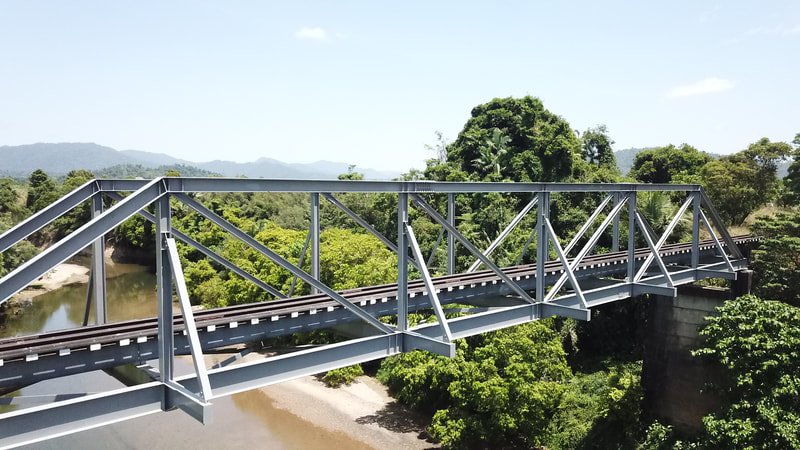
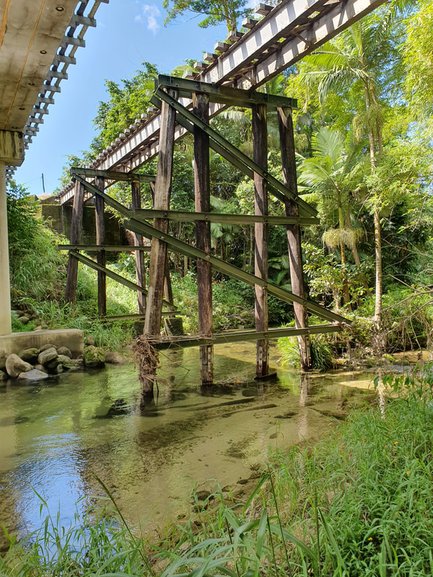
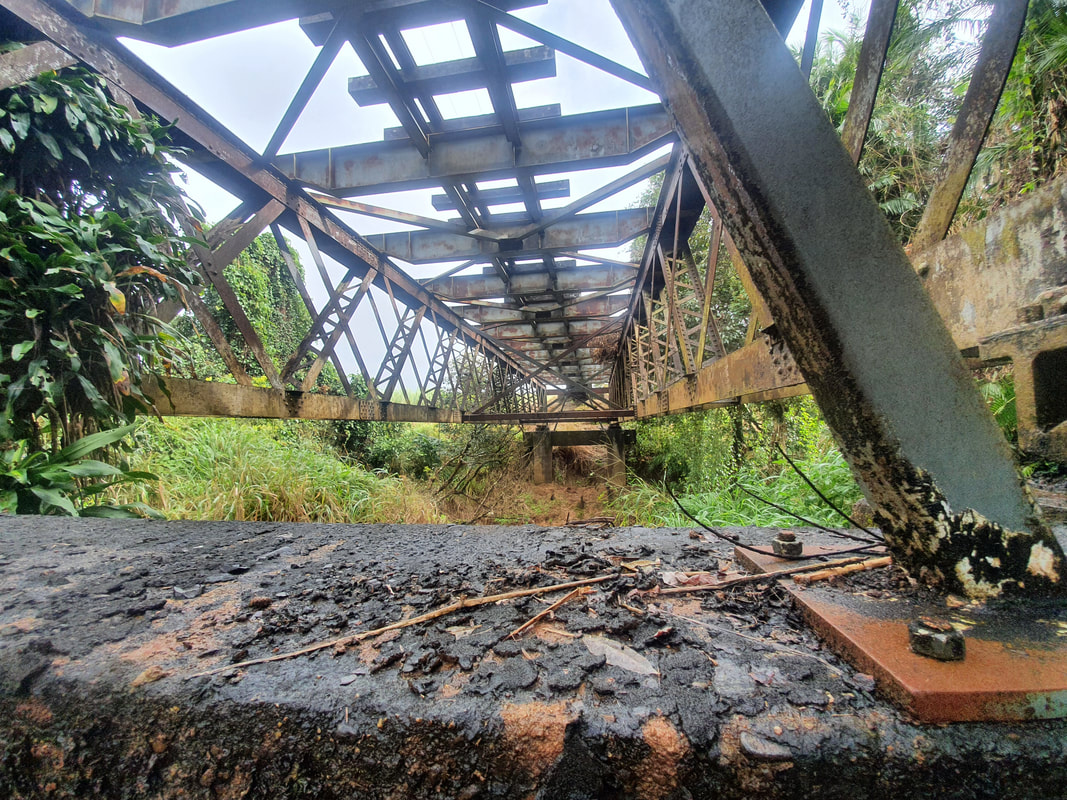
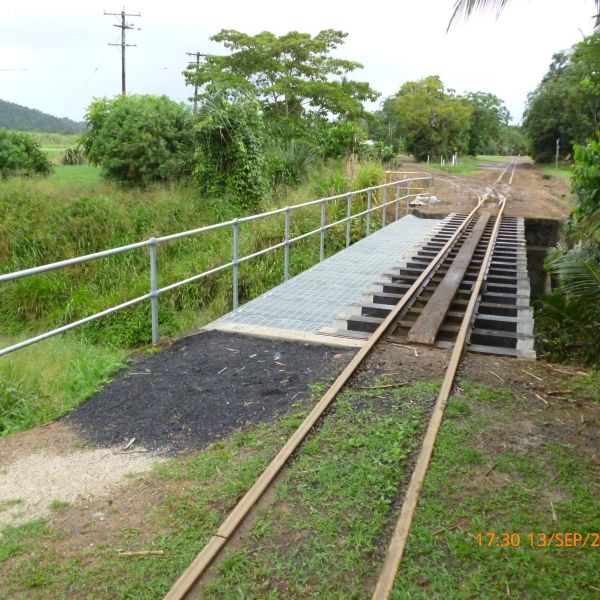
We perform RPEQ certified Level 2 and Level 3 inspections on road and rail bridges, providing ongoing structural support and monitoring throughout any repair process.
Our inspections are methodical — combining a range of instrumentation and non-destructive test methods to give you a complete picture of your asset.
Where needed, we also carry out underwater inspections and sonar imaging through our third party provider.
We have specific experience with Alkali-Aggregate Reaction (AAR) affected concrete, including the development of treatment and remediation strategies.
Our inspections are methodical — combining a range of instrumentation and non-destructive test methods to give you a complete picture of your asset.
Where needed, we also carry out underwater inspections and sonar imaging through our third party provider.
We have specific experience with Alkali-Aggregate Reaction (AAR) affected concrete, including the development of treatment and remediation strategies.
Level 2 & Level 3 Bridge Inspections
Level 2 inspections cover the full bridge and provide condition ratings for all elements along with required maintenance actions. Level 3 inspections are targeted structural assessments triggered when a bridge has been identified as potentially structurally deficient, typically following a Tier 1 heavy load assessment under AS 5100.
Where a Level 3 inspection confirms a deficiency, we provide immediate advice and can assist with the preparation of a Structure Management Plan
Where a Level 3 inspection confirms a deficiency, we provide immediate advice and can assist with the preparation of a Structure Management Plan
Instrumentation-Based Bridge Assessment
Unlike visual-only inspection services, we combine our Level 2 and 3 inspections with specialised instrumentation to accurately quantify structural condition. This includes strain measurement to determine actual load distribution, Ultrasonic Pulse Velocity (UPV) to detect internal cracking and voids, half-cell testing for reinforcement corrosion mapping, concrete core sampling for compressive strength and AAR/ASR analysis, and accelerometers for vibration and structural health monitoring. This gives you measurement-based evidence rather than subjective condition ratings alone.
Alkali-Aggregate Reaction (AAR) & Concrete Deterioration
AAR is one of the most damaging and frequently misdiagnosed forms of concrete deterioration in Queensland bridges.
We identify and characterise AAR-affected concrete using core sampling and petrographic analysis through NATA-accredited laboratories. Where AAR is confirmed, we use strain measurement under live loading to determine the actual load distribution and remaining structural capacity, providing an evidence-based basis for load reduction recommendations rather than conservative desktop assumptions. We then develop treatment and remediation strategies and certify the repair.
We identify and characterise AAR-affected concrete using core sampling and petrographic analysis through NATA-accredited laboratories. Where AAR is confirmed, we use strain measurement under live loading to determine the actual load distribution and remaining structural capacity, providing an evidence-based basis for load reduction recommendations rather than conservative desktop assumptions. We then develop treatment and remediation strategies and certify the repair.
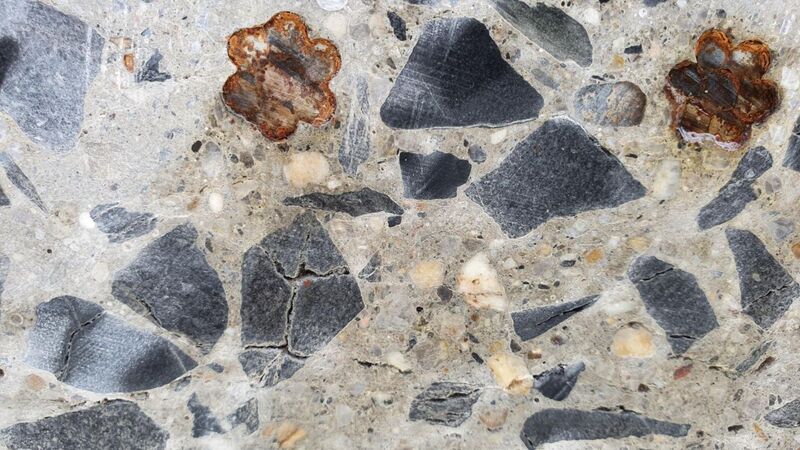
Alkali Aggregate Reaction
Bridge Structural Health Monitoring
For bridges requiring ongoing condition monitoring, we install strain gauges and accelerometers to track structural behaviour over time. This allows us to detect changes in load distribution, identify developing defects and confirm whether remediation has been effective. Monitoring data is provided in a format suitable for inclusion in Structure Management Plans.
Underwater Inspection & Post-Flood Assessment
We provide post-flood structural assessment, scour assessment, underwater inspection and through our third party provider sonar imaging for bridges and structures subject to inundation or damage from natural watercourses and drains.
Sonar imaging is particularly valuable in estuarine environments where turbidity prevents visual inspection, allowing us to map submerged elements, detect scour and identify foundation exposure. Safe access assessment is included for all inspections involving heights or water
Sonar imaging is particularly valuable in estuarine environments where turbidity prevents visual inspection, allowing us to map submerged elements, detect scour and identify foundation exposure. Safe access assessment is included for all inspections involving heights or water